


|
|
|
|
|
||
|
Animal Radio® Highlights |
You're Petting Your Dog and Cat Wrong!Listen:
Developed Dr. Marty Becker, the Fear Free initiative aims to "take the 'pet' out of 'petrified'" and get pets back for veterinary visits by promoting considerate approach and gentle control techniques used in calming environments. Utilization of Fear Free methods and protocols leads to reduction or removal of anxiety triggers, which creates an experience that is rewarding and safer for all involved, including pets, their owners, and veterinary health care teams. The end result? Calmer, more accepting patients, more compliant clients and better veterinary care. "Fear Free" ended the year 2016 with 7,000 individuals registered for certification, which included both veterinarians and technicians. Dr. Becker states he is not gifted like Temple Grandin and has not had a gift since he was a child that is now manifesting in his later part of life. He is just somebody who was moved by a veterinary behaviorist into taking action to reduce fear, anxiety and stress and to look at the emotional well-being of animals. There will be 12 Fear Free symposiums this year. The first one has already been held in Tampa, Florida. At this symposium, there were 300 people in the room learning about how to reduce fear and anxiety and stress and how to increase enrichment activities in pets. One of the things they talked about was re-teaching people how to pet a dog and how to approach a dog, as well as how to pet a cat (or not to pet a cat!) and how to approach a cat.  This got Dr. Becker's attention, because three years ago an animal behaviorist once said to him, "There's no other way to tell you this, but you're petting dogs wrong." Dr. Becker was shocked. How do you pet a dog wrong when you've petted a dog since you were a little kid and it seemed to work? But what he was doing, which is what most people do in the veterinary profession, is to approach a dog from the front, because they love dogs. So when they see a dog, they get excited and want to know about the dog, it's breed, etc. Next they lean down over it and start petting it on the head or the first spot they can reach. Petting a Dog ProperlyWell, first of all, dogs have great peripheral vision (meaning they can see things on the sides by their eyes when looking straight ahead). However, they have really terrible vision above them. Look around you - you can probably see things on the ceiling or in the air, without looking directly up, because we can see above. However, when you approach a dog and go to pet it from above, they tend to snap because they can't see. Places you don't want to pet a dog are on the top of the head. You don't want to pet them down the dorsal midline either (just between the shoulder blades). These are mistakes Dr. Becker made frequently. The places dogs like best to be petted are down the side of the neck, the side of the chest and at the base of their tail. And when you pet them, make it more like a little scratch. For cats, Dr. Becker already knew not to touch their stomachs. But they also don't like to be touched on their neck or down the dorsal midline. However, they do like to be petted at the base of their tail. Best Places to Pet a CatThe three best spots to pet a cat are on the lips, the chin, the hairless areas above their eyes and the cheeks as long as you don't touch their whiskers. They are now teaching people in the veterinary community when petting cats, "Don't go below the neck unless you're engaged!" Another practice in the veterinary community they are changing is when you clean a cage holding an animal; don't place them in another clean cage with a new litter box and new food bowl. This is wrong. Cats love to establish their scent and they have already established their scent in this little area and you are stripping it all off and putting them in an area with no scent, which causes an immense amount of stress. The proper way is to spot clean and to use products that don't destroy the olfactory neurons by using new hydrogen peroxide cleaners that are like killing machines, which just break down into water and oxygen. Remember when cats were sent home after a vet visit or stay? As soon as the cat entered the home and was released from the carrier the other cats would attack it? There's a better way. Now we know to leave them in the carrier when you get home and place the carrier on opposite sides of the door from the other animals. Then you take a towel and wipe down all the cats, including the one returning home, with the same towel so that everyone feels and smells a little different. To learn more about Fear Free, whether you are a veterinarian or a pet parent, or if you are looking for a Fear Free Veterinarian, or if you want your veterinarian to become Fear Free Certified, visit FearFreePets.com. This year they are also certifying households to become "Fear Free Happy Homes."
|
|
|
About Us | Airstaff | AM-FM-XM Radio Affiliates | Community | Home Affiliate Lounge | Podcast | Contact Us | Advertising Book Club Reviews | Pet Product Reviews | Newsletter   Copyright 2001-20 Animal Radio® - Animal Radio Network LLC. - Privacy Policy   |
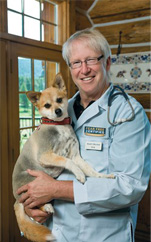 Dr. Marty Becker is back with new research that shows you may be petting cats and dogs improperly. This is especially important if you're a veterinarian. The Fear Free Pets movement wants us to rethink how we interact with our four-legged friends.
