Hal Abrams - VP Programming
Animal Radio Network
Over the last twenty-years, our companion animals have reaped the benefits of ascending status among humans. They’ve moved from the back yard into the house and have become part of the nuclear family.
This is truly apparent by the fact we’ve collectively spent $69.4 billion dollars on our furry, feathered and scaly friends this year. That’s according to the American Pet Products Association, and includes foods, supplies, medicine, vet visits, grooming and boarding.
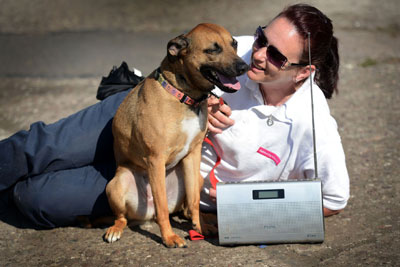 The pet sector was one of terrestrial (AM/FM) radio’s top ad categories in 2016. In fact, according to Scarborough research, terrestrial radio reaches 91% of adults that shopped at any pet supply store over the past three months.
If you are targeting a pet owner, or marketing a product or service in the pet sector, radio should be the medium of choice.
According to GfK MRI Media Research (2106 Adults 18+), Pet owners are 12% more likely than the general population to listen to the radio while at work on weekdays
and 11% more likely than the general population to listen to the radio while at work on weekends.
Bird owners are 27% more likely than the general population to listen to the radio at work on the weekend and
42% more likely than the general population to listen to the radio in a place other than home, car or work on a weekend.
The study also shows a marked link between pet ownership and those that listen to the online stream of a terrestrial AM/FM station. 50% are dog owners and 26% are cat owners. Of those that have visited a radio station or radio program’s website, almost half own dogs and a quarter have cats.
Ultimately, 82% of pet owners listen to the radio. If you’re customer is a pet guardian, radio should be an important part of your media plans.
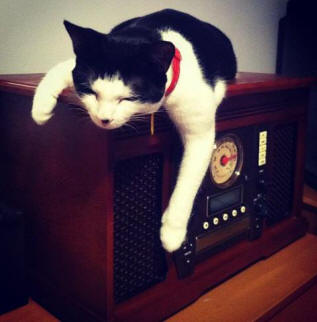 Advertising on radio is less costly than most other forms of messaging. It’s also been proven to significantly support campaigns in other mediums including TV (NAB 2014). You can actually strengthen your TV, print or digital campaign with a reinforcing message on AM/FM radio.
On average, its costs less than a dollar to reach a thousand pet guardians. Often times even less. The ROI of a national thirty-second terrestrial radio spot makes it a practical addition to any media flight.
While traditional AM/FM terrestrial radio has made a substantial shift to accommodate the growth of digital distribution, it still has an incredibly unique and affordable power to capture and engage pet owners nationwide.
Source: GfK MRI 2016 Doublebase, Adults 18+
Radio Advertising Bureau (RAB) Radio Impact Reports October 2017




 Copyright 2001-19 Animal Radio® - Animal Radio Network LLC. - Privacy Policy